
How Manual Therapy Targets the Root Cause of Nerve Pain
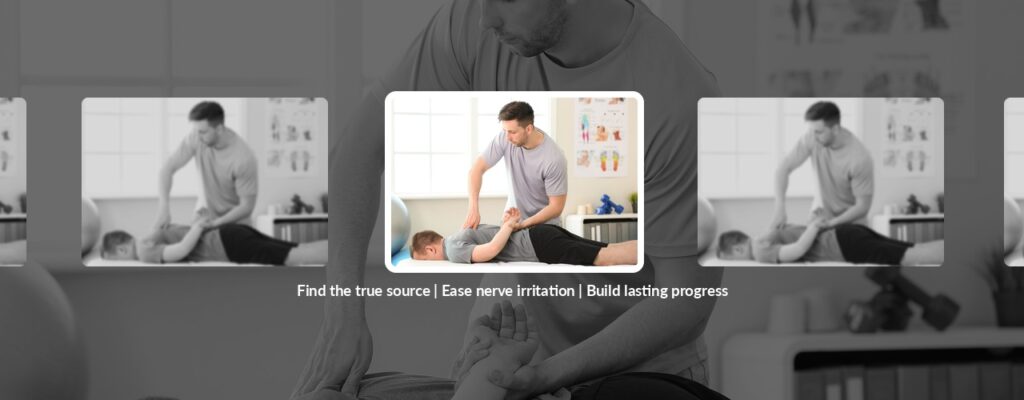
Nerve pain can feel very different from a sore muscle or stiff joint. Burning, tingling, numbness, or sharp, shooting sensations can make everyday movement uncomfortable and unpredictable. Manual therapy for nerve pain can be one part of physical therapy care that addresses the movement and tissue factors contributing to nerve irritation, rather than focusing only on where symptoms are felt.
Why Nerve Pain Can Be Tricky to Pin Down
Nerves travel throughout the body, carrying signals between the brain, spinal cord, muscles, skin, and other tissues. When a nerve becomes irritated or sensitive, symptoms may appear somewhere along its path.
For example, irritation involving a nerve in the lower back may contribute to symptoms in the leg or foot. A problem around the neck or shoulder may cause tingling, numbness, or discomfort that travels into the arm or hand.
Nerve symptoms can be associated with several factors, including:
- Pressure or irritation around a nerve
- Reduced mobility in nearby joints or soft tissues
- Swelling or inflammation
- Muscle tension or guarding
- Changes in how the body moves
- Increased sensitivity within the nervous system
Because several factors may contribute at once, a thorough physical therapy assessment is an important first step.
A Closer Look at Manual Therapy
Manual therapy refers to skilled, hands-on techniques performed by a physical therapist. Depending on your specific needs, these techniques may address joints, muscles, connective tissues, or other structures that influence comfortable movement.
Manual therapy is not simply about pressing on the painful area. Your physical therapist considers how different parts of the body move together and which structures may be contributing to your symptoms.
For nerve-related symptoms, manual therapy for nerve pain may be used to improve mobility in surrounding tissues and joints. This can help create a better environment for comfortable movement while other parts of the treatment plan build strength, mobility, and function.
Manual Therapy for Nerve Pain Looks Beyond the Painful Spot
One of the challenges with nerve pain is that the location of your symptoms may not reveal the full story. Your hand may tingle even though an important contributing factor is closer to your neck. Pain may travel down your leg even though the problem involves structures around your lower back or hip.
Physical therapists evaluate the entire movement pattern rather than treating symptoms in isolation. They may look at joint mobility, muscle flexibility, strength, movement habits, and how symptoms respond to different positions.
This broader approach helps your therapist determine whether hands-on care is appropriate and where it may be most useful.
Creating More Room for Comfortable Movement
A nerve needs to tolerate movement and changing loads as you go about your day. Restrictions in surrounding muscles, joints, and connective tissues can sometimes contribute to symptoms or make certain movements harder to tolerate.
With manual therapy for nerve pain, a physical therapist may use gentle techniques to improve the mobility of these surrounding structures. The goal is not to force a nerve back into place. Instead, treatment aims to address relevant movement restrictions and reduce mechanical irritation when these factors contribute to symptoms.
Some patients may notice that certain movements feel easier following hands-on treatment. That response can also give the therapist useful information about what should be addressed during rehabilitation.
Hands-On Care Works Best as Part of a Bigger Plan
At Dockery & Associates Physical Therapy, manual therapy is one piece of a broader physical therapy program. While hands-on techniques can help improve mobility or ease symptoms for some people, lasting progress often requires active treatment as well.
Depending on your evaluation, care may include:
- Education about positions or activities that affect symptoms
- Gradual mobility work
- Strengthening
- Movement retraining
- Strategies for returning to work, exercise, or sports
- Guidance for safely increasing activity
Combining manual therapy for nerve pain with active rehabilitation helps address both current symptoms and the physical factors that may be contributing to them.
Put Nerve Pain Care in Skilled Hands
Nerve pain can be frustrating, especially when symptoms keep returning or seem to travel from one area to another. You do not have to guess which muscle, joint, or nerve is responsible. A physical therapist can evaluate how your nervous and movement systems work together, then develop a plan based on your specific needs.
At Dockery & Associates Physical Therapy, we provide supportive, personalized care focused on helping you understand your symptoms and move with greater confidence. Contact our team today to learn how physical therapy and hands-on treatment may fit into your plan for nerve pain relief.