
Does Cupping Therapy Work for Neck and Shoulder Pain?
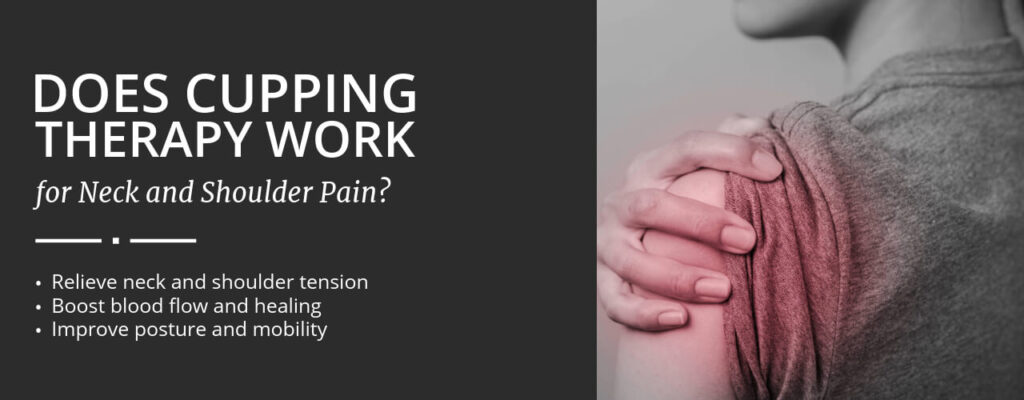
If you’ve ever dealt with nagging pain in your neck or shoulders, you know how much it can affect daily life. From interrupted sleep to trouble working or exercising, this kind of discomfort can wear you down fast. Many patients are now exploring alternative approaches—like cupping for neck pain—to find lasting relief.
At Dockery & Associates Physical Therapy, we’ve seen firsthand how cupping therapy, when paired with a comprehensive physical therapy program, can help reduce muscle tension, improve movement, and ease pain. To help you better understand the process, we want to share Mark’s story (not his real name) about how he found relief after working with our team.
Meet Mark: Daily Pain, Sleepless Nights, and Limited Movement
Mark, a project manager in his mid-40s, came to us after months of neck and shoulder pain that wouldn’t go away. He’d tried adjusting his workstation and taking over-the-counter medication, but the tightness and stiffness persisted.
He explained that his discomfort started after long workdays at the computer and worsened with stress. The pain often radiated from the base of his neck into his upper back and shoulders, affecting his posture, sleep, and even his ability to concentrate at work.
Designing Mark’s Comprehensive Treatment Plan
Our first step was assessing Mark’s posture, muscle tightness, and movement patterns, all of which gave us clues as to the underlying cause of his pain. Ultimately, our team identified chronic tension in his upper trapezius and neck stabilizers as the primary source of his discomfort.
We knew that addressing this tension would require a blend of different treatment approaches. With that in mind, we recommended a full physical therapy program that included:
- Postural training
- Manual therapy
- Targeted stretching and strengthening exercises
- Cupping for neck pain
That last technique surprised Mark the most, as he’d never heard of it. Our PT explained that cupping therapy involves placing small cups on the skin to create suction. This gentle suction increases blood flow to the area, promotes muscle relaxation, and can ease stiffness.
For Mark, we focused on the upper back, shoulders, and neck, where tension was most pronounced.
How Cupping Helped Relieve Mark’s Neck and Shoulder Pain
Within a few sessions, Mark noticed that his muscles felt looser and less tender. Cupping therapy helped break up tight tissue and improve his circulation, which made his other physical therapy treatments more effective.
Here’s what cupping contributed to his recovery:
- Improved blood flow to tight and sore muscles
- Reduced trigger point sensitivity, especially in the neck and shoulder area
- Reduced muscle tension during and after sessions
- Enhanced his sleep and mobility, allowing him to rest and stay active
By session six, Mark reported significantly less pain and improved posture. Most importantly, he could get through a workday without discomfort.
Why Cupping for Neck Pain Works Best in a Therapy Program
While cupping therapy is beneficial, it’s most effective when part of a broader care plan. That’s how we approach treatment at Dockery & Associates Physical Therapy.
Cupping’s primary purpose is to help prepare the body for movement. When paired with guided exercises and manual therapy, it can:
- Help restore proper movement patterns
- Increase mobility in tight areas
- Support long-term healing by addressing root causes
Take the Next Step Toward Pain Relief
You don’t have to live with persistent discomfort in your neck or shoulders. If you feel like you’ve tried everything, cupping for neck pain might be the missing piece in your recovery.
At Dockery & Associates Physical Therapy, our skilled physical therapy team assesses your symptoms, identifies the cause, and creates a plan that works for you. Whether you’re struggling with postural tension, stress-related tightness, or muscle strain, we’ll help you move forward.
Contact our Madison, AL clinic today to schedule an appointment or learn more about how cupping therapy can improve your daily function.